Leaks are the chimney repair Pico Rivera owners put off most, because the stain appears with the first storm of the season and fades by spring. By the time we are called, water has often been getting in for several winters. This post covers where chimney leaks start, what the repair costs at our published rates, and what to look for on a quote.
Where the water gets in
We trace leaks to a short list of entry points, and many chimneys have more than one open at once:
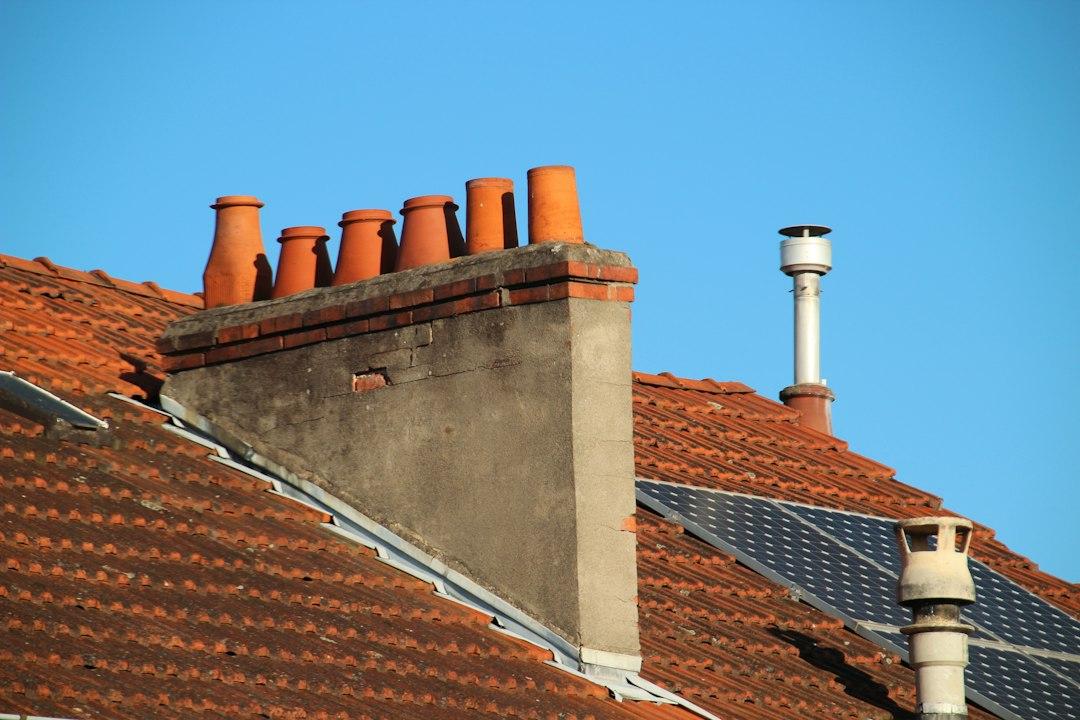
- The top. An uncovered flue or a cracked crown lets water straight into the masonry.
- Brick and mortar. Old brick is porous, and open joints soak up wind-driven rain.
- The roof joint. The metal that seals chimney to roofing loosens, rusts or was never lapped correctly.
- The uphill face. On a sloped roof, runoff meets the back of the chimney head on.
- Condensation. A gas appliance vented into an unlined masonry flue can wet the chimney from inside.
The place a stain shows indoors is rarely where the water enters. Water follows framing and masonry a long way before it drips.
Why insurers and inspectors care
On a buyer's report, a stain near the fireplace earns the same note every time: active or past leak, source undetermined. Lenders and insurers dislike that sentence, because a long-running leak means rot and mold in the framing beside the chimney, and that framing is close to the heat. Many policies treat damage from a slow, long-standing leak differently from a sudden one, so a dated record of when the leak was found and fixed has real value.
NFPA 211 counts water damage among the conditions an inspection looks for, because a wet chimney decays from the inside: mortar washes out, the damper rusts shut, flue tiles crack. A leak is a structural finding as well as a ceiling stain.
What leak work costs at Lorimer
These are our published figures in Pico Rivera:
- Finding the entry point and sealing it: $525 to $3,150
- A water diverter built on the uphill side of the stack, which roofers call a cricket: $420 to $945
- That diverter, plus new metal at every joint between chimney and roof: $630 to $1,600
A fitted cap to keep rain off the flue and crown is quoted after we measure.
The tracing and sealing range is broad because the source decides the work. One loose piece of roof metal sits near the bottom. A chimney taking water through its top, its faces and its roof joint all at once lands toward the upper figure.
Outside those ranges: crown replacement, relaying loose brick, a liner for a gas appliance, and water repellent for the brick. Each of those gets its own written price once we have looked.
With that in mind, book a leak tracing visit. Mention which room the stain is in, which kinds of storm bring it on, and what the roof is covered with.
How we find the source
We start outside and work in. The roof check covers the top, the brick faces, the roof joint and the uphill side. Inside, we follow the stain back through the attic to the chimney. When the source is still unclear, we wet suspect areas in a fixed order, low to high, checking the attic between rounds. That shows which entry point is live, so you pay to seal what leaks and nothing else.
Comparing leak quotes
Put these questions to any quote you are weighing:
- Does it name the entry point, or just say "seal chimney"?
- Is the roof metal being replaced, or caulked over?
- Is the upper metal set into a cut in the brickwork, or only stuck to the surface with sealant?
- Is a coating being sold as the whole repair?
- Does it mention the crown and the cap, even if they are not included?
A quote that answers none of these is a guess, and leaks that are guessed at tend to come back.
Why caulk is not a repair
The most common failed leak repair we see in Pico Rivera is a bead of sealant run along the joint where the chimney meets the roof. It works for a season. Then sun and heat crack it, the brick and the roof move at different rates, and the gap opens again, now with a layer of old caulk that has to be scraped off before anything lasting can be done.
The fix that lasts is mechanical. Metal laps under the roofing so water runs over it, a second layer laps down over that from the brick so water cannot get behind, and a cricket on wide chimneys splits the runoff before it reaches the joint. Sealant has a place as a finishing detail, not as the repair.
The same applies to the brick. A clear coating over open joints traps water inside rather than keeping it out. Joints are repointed first; a coating, if it is used at all, comes after.
Leaks and the 1987 and 1994 quakes
Older chimneys in this area carry cracks from past earthquakes that were never fully repaired. A crack at the roofline that opened in a quake and was patched with mortar can let water into the stack for years. If the leak traces back to one of those cracks, the repair may be masonry work rather than flashing, and the report will say so.
When a leak sits inside a bigger list
A leak often shows up alongside other findings on a buyer's report or an insurer's letter. Our up-to-code repairs page shows the order we work in: structure, then water, then fire items. For the crown side of a leak, read our post on sealing or recasting a cracked crown. The leak repair, flashing repair and waterproofing pages go further into each fix.
Stop the next stain
A stain that comes back each winter means the water is still finding a way in. Get in touch through our contact page with the address and when the stain appears, and we will trace the source and price the repair that ends it.
Need This Checked at Your Address?
Lorimer Chimney Works reads the chimney against NFPA 211, the maker's listing and the city's permit rules, then puts the scope and price on paper. Requests come from Pico Rivera, Whittier, Bellflower, Cerritos and the rest of the county.