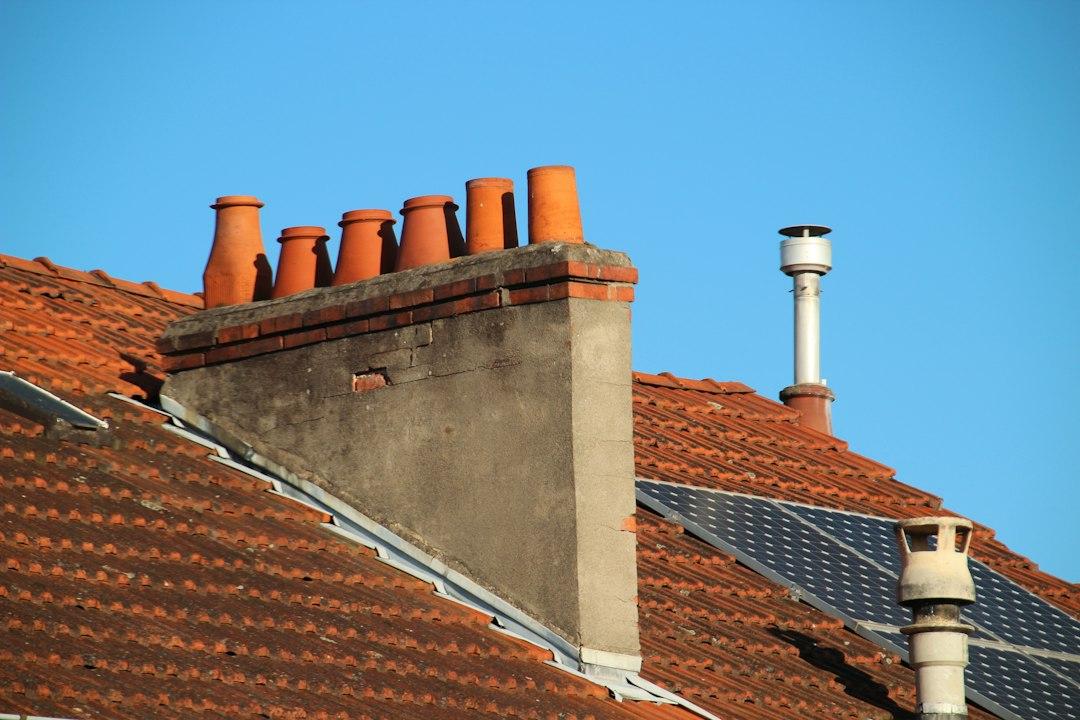
A cap is a small part, yet it turns up on more Pico Rivera inspection reports than almost anything else on a roof. Insurers ask about it, home inspectors photograph it, and the fire code has views on it. Below: what the rules expect from a cap, how we price one, and what to look for on a quote before you hire anyone to fit it.
Why the rules care about a cap
An uncovered chimney is an open pipe aimed at the sky, and three separate problems follow from that. Storm water lands on the smoke shelf and the damper, where it rusts steel and softens mortar. Birds and rodents build in the flue, and a nest is kindling parked in a smoke path. And on a gusty night, glowing flakes of burning wood ride the draft out of the top and settle on shingles or in dry brush.
NFPA 211, the standard that fire officials and insurers lean on for chimneys, deals with that last risk through the spark arrestor: a screen that lets smoke through and stops embers. California layers its own building and fire codes on top, with stricter expectations in wildfire zones. Pico Rivera sits on the flat floor of the basin rather than in the hills, yet Santa Ana winds carry embers a long way, and many insurers now ask about spark screens across the whole region, not only inside mapped fire zones.
What an inspector writes about caps
When we record a cap finding, it nearly always lands in one of these buckets:
- No cap. The flue tile is open to weather and animals.
- Screen gone or rusted through. The hood still sheds rain, but sparks pass freely.
- Screen choked with soot. The fire starves, smoke spills into the room, and a blocked screen can fail a draft test.
- The wrong cap for the system. A factory-built metal chimney needs the termination its maker listed for it. A generic part can void that listing, and an inspector will say so.
- Weak fastening. A cap held by one bent screw ends up in the gutter after the first Santa Ana.
The last two catch owners out most often. On a prefab fireplace from the 1980s or 1990s, the termination is one piece of a tested assembly. Swapping it for a hardware store part may look fine from the street and still be written up, because the assembly on the roof is no longer the one that was approved.
Single flue or full width
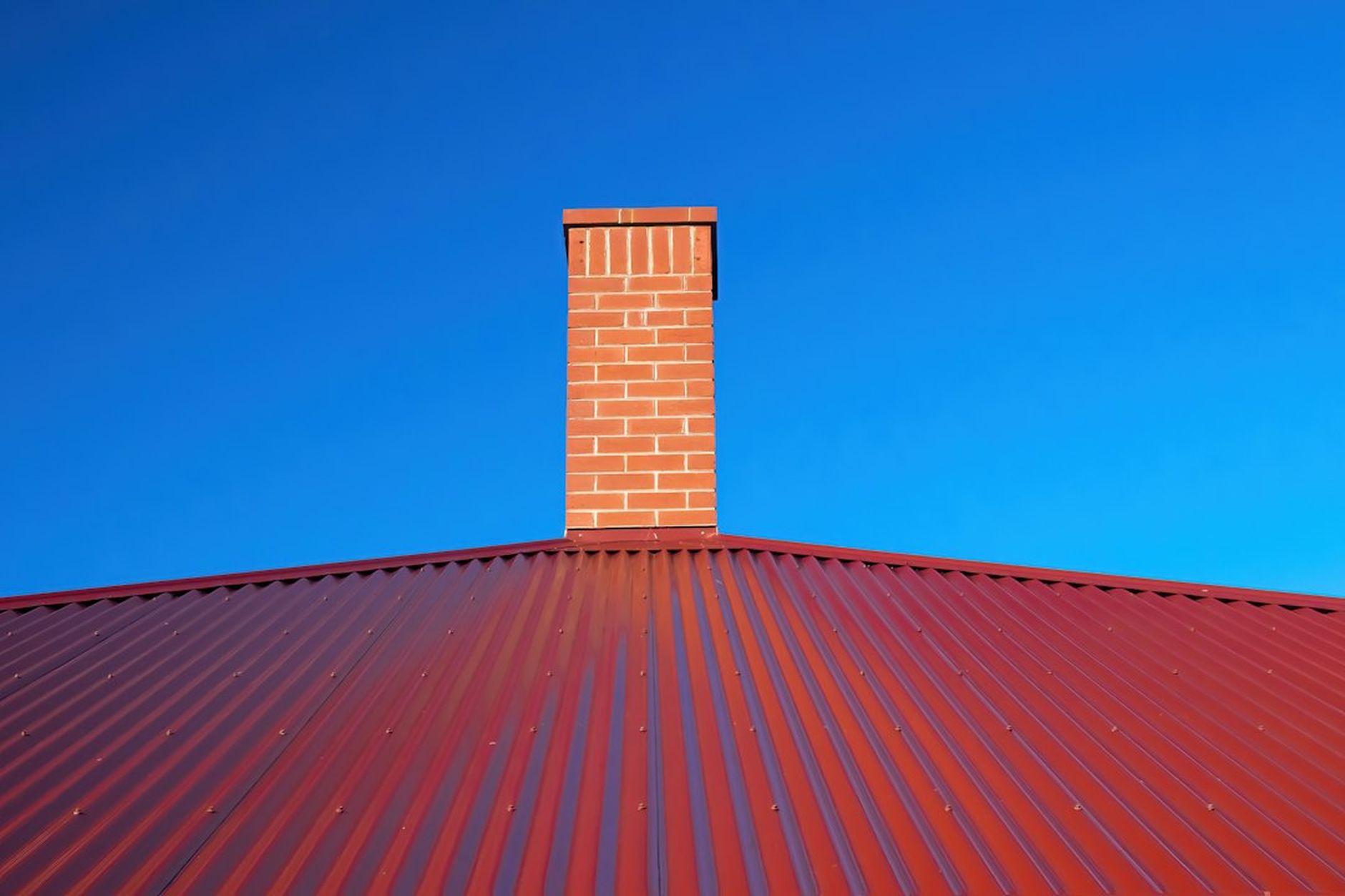
Caps come in two families. A single flue cap sits on one flue tile and clamps or bolts to it. A full-width cap, sometimes called an outside-mount or multi-flue cap, spans the whole top of the chimney and anchors to the crown or the brick. A chimney carrying two or three flues, or one whose crown is fair but tired, often does better with the full-width style because it shades the crown from rain too.
Material moves both the price and the life of the part. Galvanized steel is the cheapest and the first to rust in the damp air that drifts inland on summer afternoons. Stainless steel is the common choice. Copper costs most and is picked for looks on a chimney people see from the street.
What sets the price of a cap at Lorimer
Every cap is quoted after we measure. Caps differ because chimneys differ:
- A single stainless cap on one standard clay flue is the simplest job.
- An oversized or odd-shaped flue that needs a cap made to measure costs more.
- A full-width cap over several flues, especially in copper, costs the most.
- A listed replacement for a factory-built chimney depends on the maker and model.
Roof height and pitch count as well. A single-story ranch home in Pico Rivera with a gentle roof is a quicker job than a two-story house where we need extra ladder work and fall protection.
What the cap quote leaves out is crown work. If the slab under the cap is cracked, a new cap on top only hides it. We will say so, and the crown gets its own written price. Our post on whether a cracked crown should be sealed or recast covers that choice.
For a figure on your own chimney, ask for a cap quote here. Mention whether the chimney is brick or a framed chase with a metal flue, how many flues come out of the top, and whether an insurer or inspector has asked for the cap.
Comparing two cap quotes
Cap quotes vary more than they should. With two in hand, look for:
1. A named material. "Cap installed" with nothing else usually means galvanized. 2. A measurement. A cap sized by eye from the driveway is a guess. 3. The screen. Ask whether the mesh is meant to stop sparks, not only birds. 4. The fastening. Masonry anchors or clamps, not adhesive alone. 5. A word on the crown. A good quote notes its condition even when crown work is not included. 6. For prefab chimneys, the listing. The quote should name a cap approved for that system.
A quote that skips the crown or puts an unlisted cap on a metal chimney tends to cost more later, on the next inspection report or when the insurer asks for proof.
When the cap is one line of many
Many cap requests reach us from a buyer's inspection report or an insurance renewal letter. In those cases the cap is rarely the only item. A Level 2 inspection may also turn up loose brick or a liner problem. Our up-to-code repairs page shows the order we follow: structure first, then the water and fire items. The cap usually goes on last, because it sits on top of everything else.
If you are in escrow, the home sale inspection page shows where the cap fix fits inside the contingency period, and the cap installation page lists the styles we fit.
Where to go from here
An open, rusted or unidentifiable chimney top is worth sorting out before the next windy season. Head to our contact page, say what the report or the insurer asked for, and we will set up a visit to measure the flue and price a cap that suits it.
Need This Checked at Your Address?
Lorimer Chimney Works reads the chimney against NFPA 211, the maker's listing and the city's permit rules, then puts the scope and price on paper. Requests come from Pico Rivera, Whittier, Bellflower, Cerritos and the rest of the county.