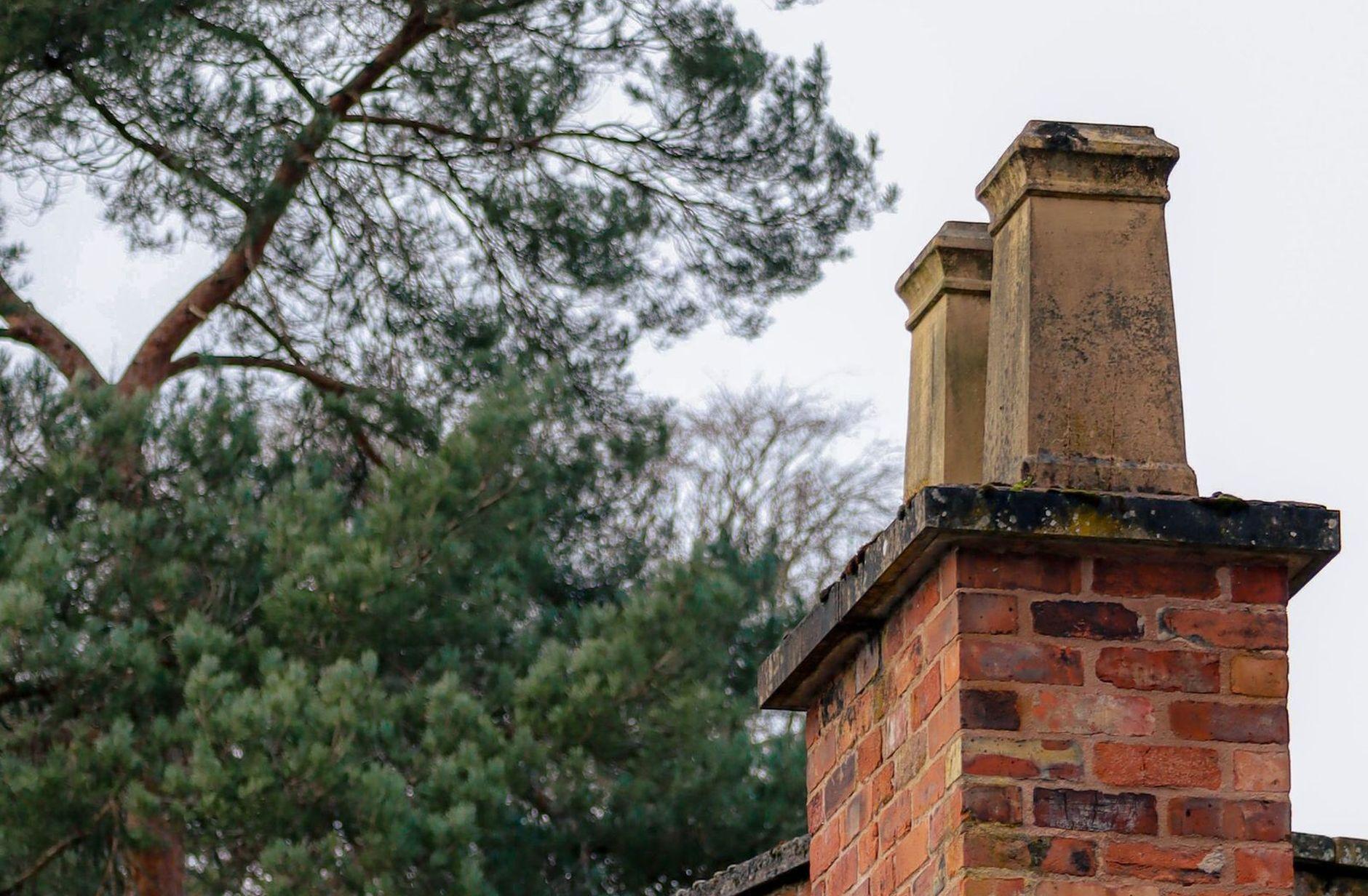
Crown findings show up on more Pico Rivera chimney reports than any other masonry item, and the repair choice confuses owners because two quotes for the "same" crack can differ several times over. One contractor offers a coating. Another wants to break the slab off and pour a new one. Both may be honest. Here is how we decide, and what each choice means for code, for insurance and for the bill.
What the code expects of a chimney top
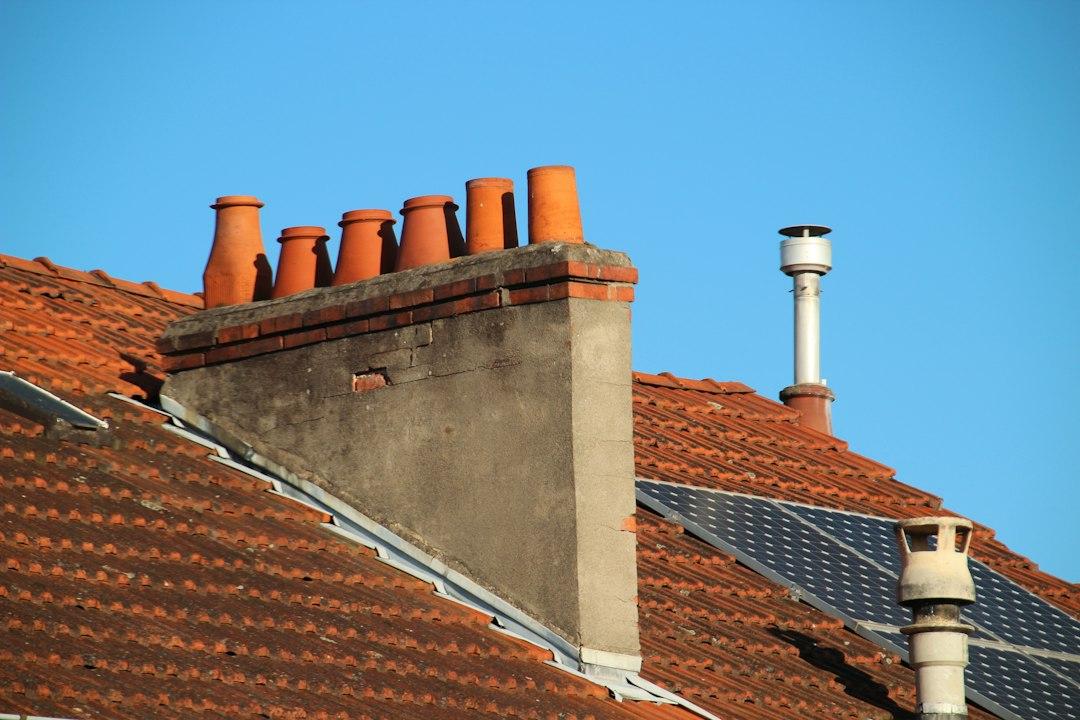
Building codes describe the top of a masonry chimney by what it must do: keep water out of the masonry below, be made of non-combustible material, and leave the flue liner free to expand with heat. NFPA 211 makes the top part of every inspection. So a crown finding is not cosmetic. If the inspector judges that water can reach the brick or the smoke chamber through it, it goes on the report.
Plenty of chimneys in older Pico Rivera neighborhoods were finished with a sloped bed of ordinary mortar, which masons call a wash. It was cheap and it worked for a time. Mortar shrinks as it cures and cracks with every heat cycle, and our pattern of long dry summers followed by a few hard winter storms is rough on it.
Sealing: when the slab is still sound
A crown that is solid underneath, with fine cracks only at the surface, can usually be sealed. The product is a flexible coating made for chimney tops. It bridges small cracks, moves with the masonry and keeps water out for a number of seasons.
Sealing suits a crown when:
- The cracks are narrow and stop short of running through
- The slab is firmly attached to the brick, with no hollow sound when tapped
- Its slope still throws water away from the flue
- The flue tile is not locked tight in the slab
The appeal is cost and speed. The limit is that a coating preserves what is there. It cannot add slope to a flat top or give an overhang to one that never had it.
Recasting: when the slab has failed
A crown that is cracked through, loose, crumbling at the edges or flat enough to hold puddles needs to come off. The replacement is cast in concrete, shaped to send water out past the faces of the chimney, and kept apart from the flue tile by a flexible joint so the tile can expand without splitting it.
A recast also corrects the design faults of the old wash. That is why, on a borderline top, we sometimes advise replacing it even though a coating would buy time: sealer over a badly shaped slab tends to be back on the next report.
What we note on the roof
When we write the crown section of a report, we record:
- Where each crack starts and whether it reaches the flue tile
- Whether pieces have broken away or the edge has crumbled
- Whether water stands on the surface after rain
- Rust or white staining on the brick below, which shows water has been moving through
- Whether the flue tile is cracked where it meets the slab
- Whether a cap is fitted, and whether it shades the top
Indoors, a damp smoke chamber, a rusty damper or flaking brick in the firebox can trace back to the crown.
Why insurers and buyers read the crown line closely
A crown finding tends to travel. It appears on the buyer's report, gets quoted in the repair request, and sometimes lands on an insurer's desk when a ceiling stain turns into a claim. In each case the reader wants the same answer: was the top keeping water out, and if not, was it fixed properly?
That is why the repair choice matters beyond the bill. A coating applied to a crown that was cracked through will look fine on the day and fail by the next wet season, and the next report will say so. A buyer's agent who sees "crown sealed" beside a photo of a broken slab will push back. When we recommend sealing, the report says why the slab qualified; when we recommend recasting, the photos show what ruled the coating out. Either way the paper explains the decision, which is what a reader on the other side of a sale or a claim is looking for.
What sets the price
We do not publish a crown price, because the job varies more than most. These are what move it:
- Seal or recast. Sealing is the smaller job by a wide margin.
- How big the top is. A chimney with one flue is smaller than one carrying a fireplace flue and a furnace flue side by side.
- Roof access. A low single-story roof and a steep two-story one take very different setup.
- What sits beneath. If the top courses of brick are loose, they are relaid before a new slab goes on, and that is masonry work in its own right.
- The cap. A full-width cap protects a new crown well and is often worth doing at the same time. Our cap post explains what sets the cap price.
For a written figure on your own chimney, ask for a crown assessment, and pass on what the inspection report said about the crown, if you have one.
When the crown is a symptom
Sometimes a cracked crown is just the visible end of a bigger problem. A stack that shifted in a quake cracks its top along the line of movement. If our roof check shows the brick below has moved, the crown is not the first repair. Our post on rebuilding or bracing an old chimney covers that case, and our crown repair page has more on the slab itself. Buyers and sellers dealing with a crown finding in escrow will find the order of steps on the home sale inspection page.
Have the top checked
If an inspector, insurer or buyer has flagged the crown, start at the contact page. Send the address and what the report said, and we will come and tell you whether your chimney top needs a coating or a new casting.
Need This Checked at Your Address?
Lorimer Chimney Works reads the chimney against NFPA 211, the maker's listing and the city's permit rules, then puts the scope and price on paper. Requests come from Pico Rivera, Whittier, Bellflower, Cerritos and the rest of the county.