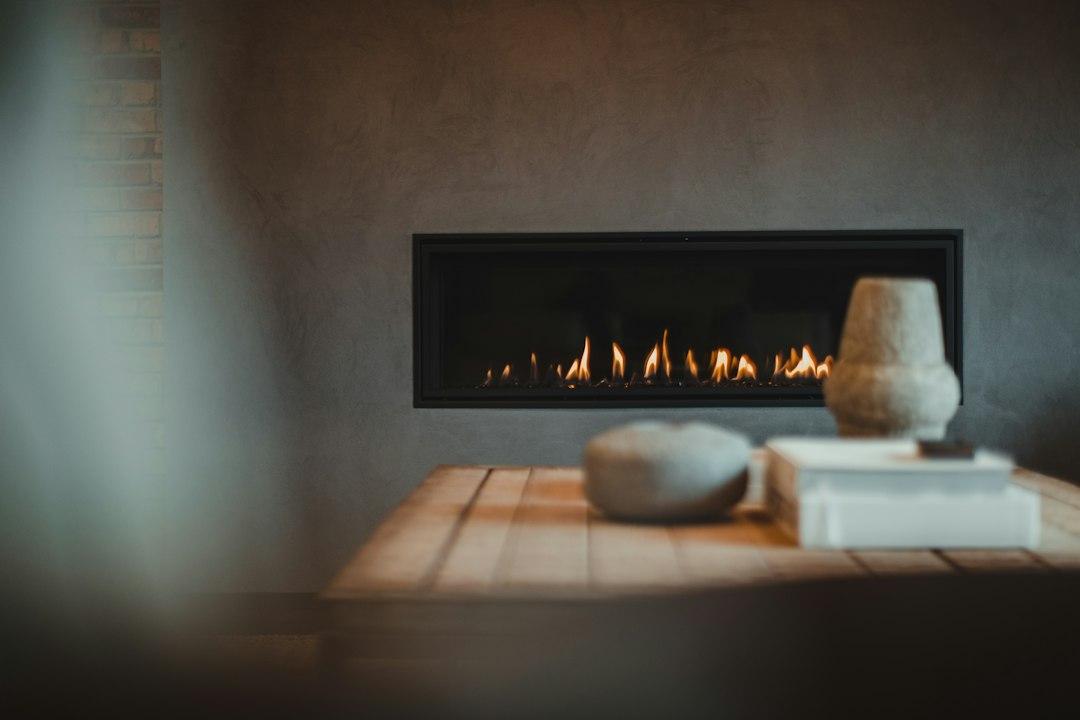
Swapping a wood fireplace for gas is one of the jobs we price most often in Pico Rivera, and one of the jobs we most often find done badly. The appliance itself is a tested unit that arrives with a thick installation manual. Trouble comes from everything around it: the gas line, the venting, the distance to the mantel and the permit. This post sets out what the rules expect and what moves the price.
What counts as an insert
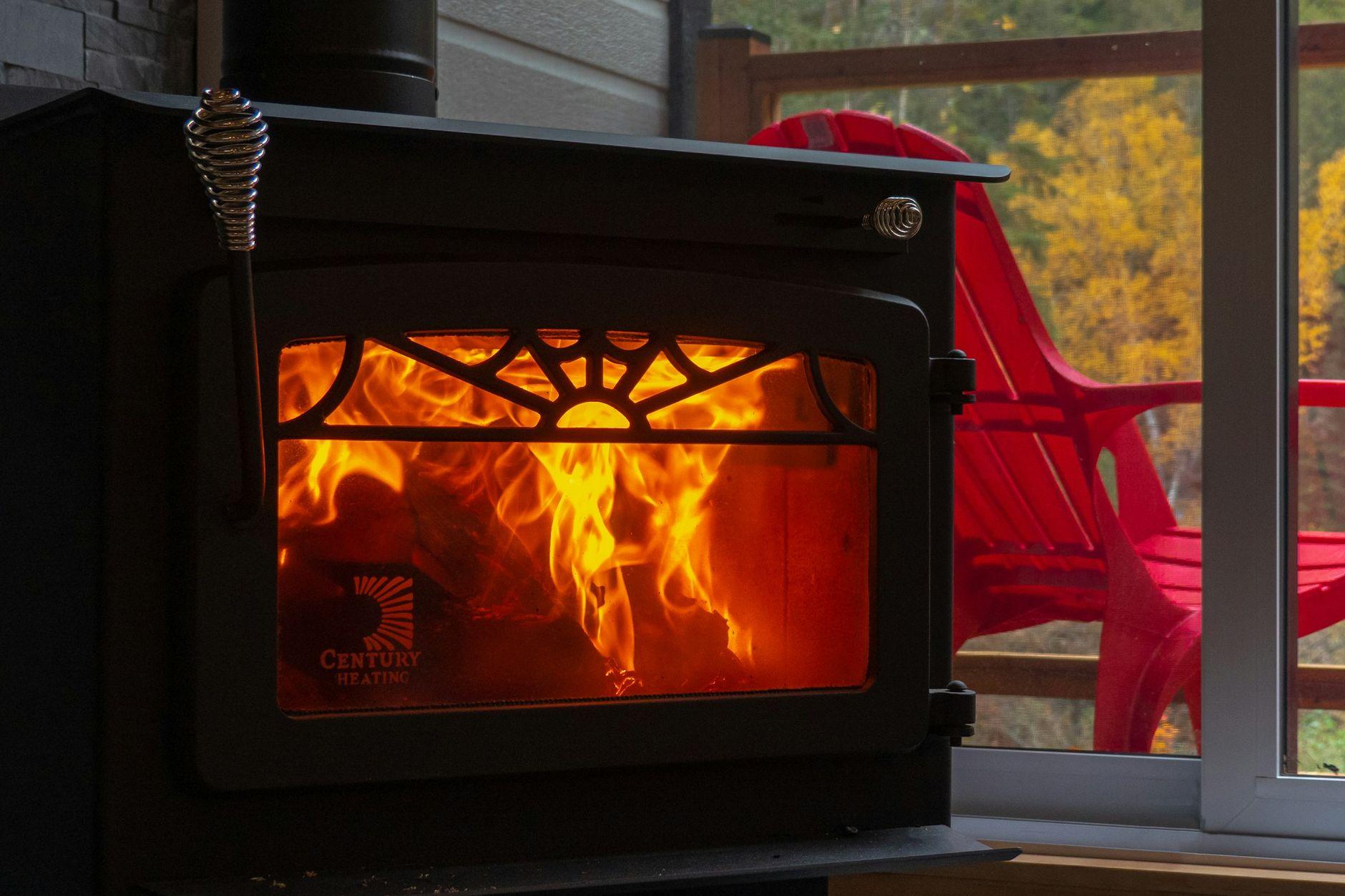
Think of an insert as a closed firebox set inside the fireplace you already own, whether brick or factory-built. It has its own glass front and burner, and, for gas, its own venting that climbs the old chimney to the top. It is a different thing from a log set, which burns in the open fireplace with the damper held open. An insert heats the room. A log set mostly decorates it.
Inserts come in wood, pellet and gas versions. Under Rule 445, the South Coast AQMD can stop wood burning on declared no-burn days across our area, and gas units are exempt from those curtailments. That is one reason many owners in Pico Rivera and Whittier pick gas when they retire an old open fireplace.
The rules that shape the job
Several sets of rules meet at a gas insert:
- The manufacturer's listing. Every insert is tested for a range of fireplace sizes, vent lengths and clearances. Work outside those numbers voids the approval, and an inspector or insurer can refuse it.
- NFPA 211 and the venting. The current expectation is a liner running the full height of the chimney, not exhaust dumped into the open smoke chamber. Older installs that vent into the old flue are among the findings we write up most.
- Distance to combustibles. Wood mantels, trim and the floor in front of the unit all have minimum gaps set in the manual. A deep wood mantel that suited an open fire can sit too close to an insert that throws more heat.
- The gas line. Running or extending a line is permitted work. It needs a shutoff where the manual places it, and the connection is pressure tested.
- Carbon monoxide. State law expects a working CO alarm in any home with a fuel-burning appliance. We look for one when we finish and note what we find.
Permits for inserts
Adding a gas appliance and running gas pipe are normally permitted work in Los Angeles County cities. Rules and fees differ from city to city, so we confirm with the building department that covers your address before booking the install. Where a permit applies, the inspector will usually want to see the listing label, the manual, the liner connection and the gas test. We leave the manual on site for that visit.
Skipping the permit can come back at sale time. A buyer's inspector who spots a newer insert with no permit history may write it up, and the lender may ask for proof. A permitted install closes the question.
What a gas insert costs
Our published range for a gas insert, with its liner and gas connection, is $2,650 to $5,250. Where a job lands inside that band depends on:
- The unit you choose. Plain heaters with a standing pilot sit low; models with a remote, a blower and a wider glass face sit higher.
- Liner length. A single-story chimney takes less liner than a two-story one.
- The opening. An unusual size or shape may call for a surround panel made to fit.
- Distance to gas. A line already at the hearth is quicker than one run across the house.
- The old damper. Throat dampers often sit in the liner's path and come out.
For a room with no chimney at all, building in a direct-vent gas fireplace runs $4,200 to $8,400. That job adds framing, a wall or roof opening and finish work, so it lives in its own band.
Once you know which of those two cases is yours, request an insert price. Give us the rough size of the opening, whether gas already reaches the hearth, and how many stories the chimney climbs.
Questions for any installer
Put these to every company you compare:
- Will the liner run the full height of the chimney?
- Does the price include the gas line and the permit?
- Which model and size, and is it listed for my fireplace?
- How will the mantel clearance be checked?
- Who will be there for the permit inspection?
Vague answers usually mean a vague install.
What you keep after the job
When we finish an insert, the paperwork stays with the house: the manual, the model and serial number, photos of the liner connection at the top and bottom, the gas test result and, where one applies, the signed-off permit. Those are the papers a buyer's inspector, an insurer or the next service visit will ask for, and having them in one folder saves an argument later.
The chimney comes first
An insert is only as sound as the chimney around it. A cracked crown, loose brick at the roofline or a damaged flue changes the plan. We look at those before quoting, and on older houses we often suggest the Level 2 inspection first, so the camera shows what the liner will pass through. Our post on rebuilding or bracing an old chimney covers the case where the masonry is the bigger problem.
More on the appliances themselves is on our fireplace inserts page.
Ready to retire the open fire
When you want the old fireplace turned into a heater, start at our contact page with the address and what warms the room today. We will come out, measure the opening and put the insert, liner, gas work and permit on one written figure.
Need This Checked at Your Address?
Lorimer Chimney Works reads the chimney against NFPA 211, the maker's listing and the city's permit rules, then puts the scope and price on paper. Requests come from Pico Rivera, Whittier, Bellflower, Cerritos and the rest of the county.